Economist · Law & the Family · MSU Denver
I’m Jordan Hillman — the divorce economist.
I study why people get married, why they get divorced, and why states regulate both. Ph.D., Texas Tech University. I teach microeconomics, econometrics, and business forecasting at MSU Denver.

Current and Upcoming
Did Unilateral-No-Fault Divorce Laws Raise Divorce Rates?
Between 1960 and 1980, thirty-five states let either spouse end a marriage without proving fault — the “no-fault revolution” critics still blame for the breakdown of the American family. Using stacked difference-in-differences with entropy balance, the paper finds the effect on divorce and marriage rates was neither enduring nor statistically significant. The data are right here — hover any year, pick your state.
National Divorce Rate
U.S. National Divorce Rate, 1958–2022
State-Level Explorer
U.S. Divorce Rates by State, 1958–2022
Note: Some states have missing data for certain years.
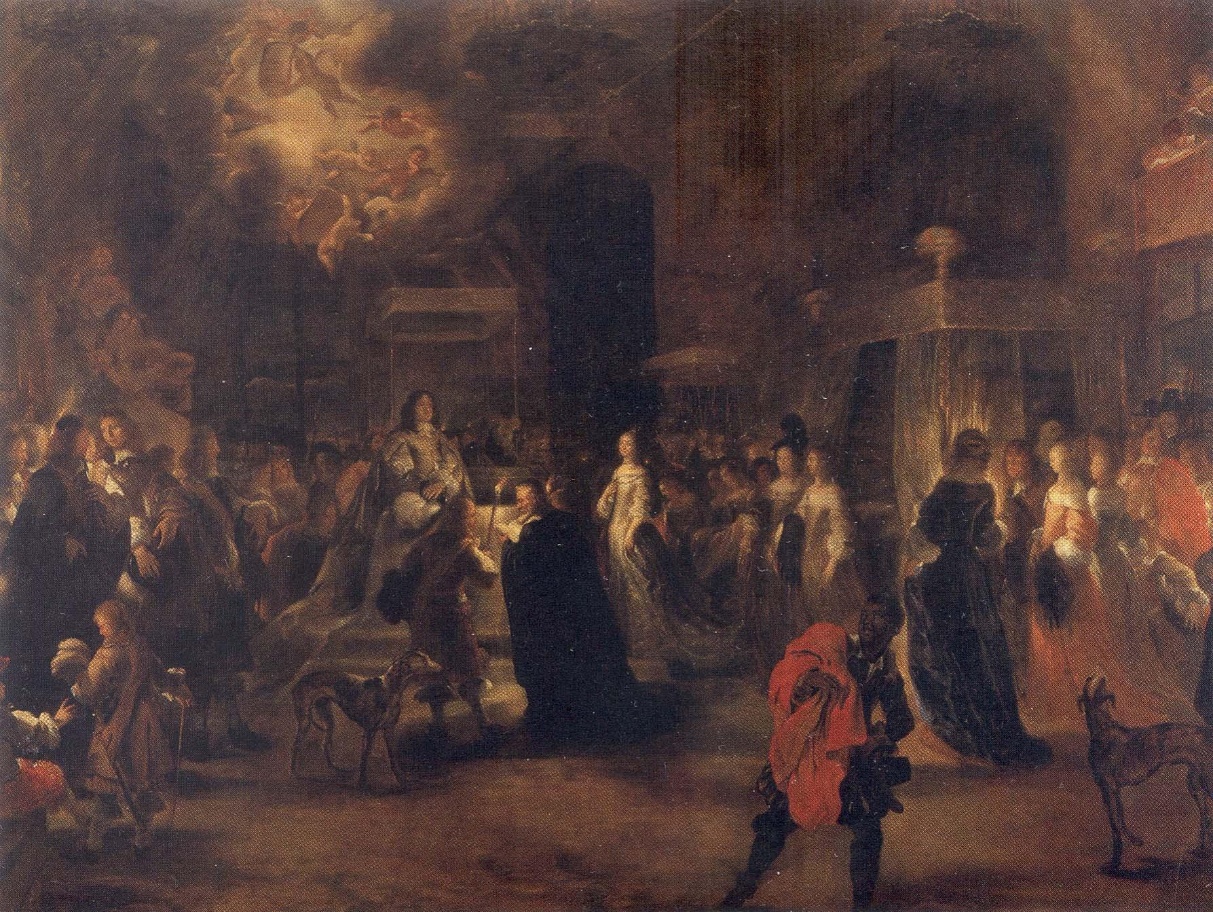
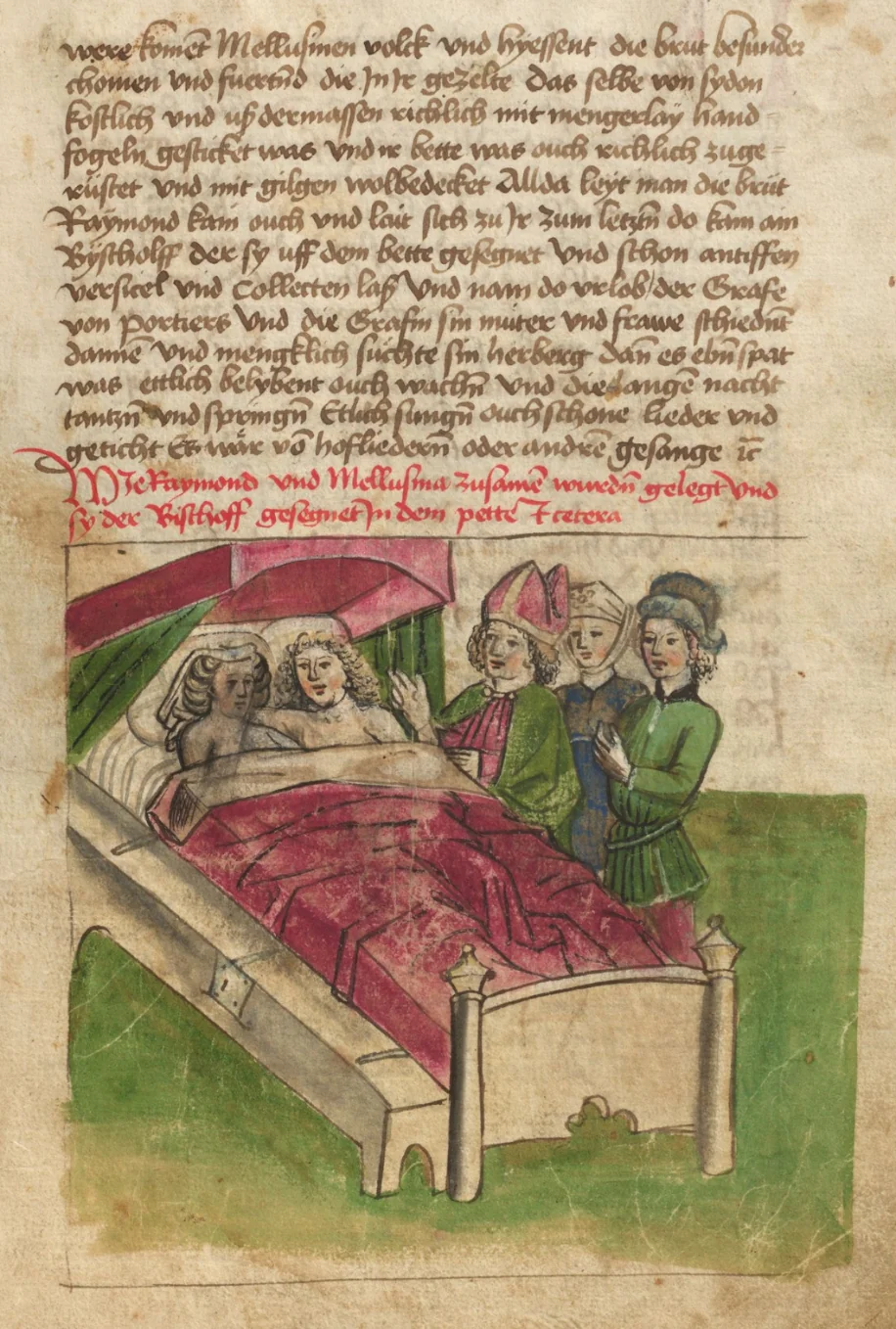
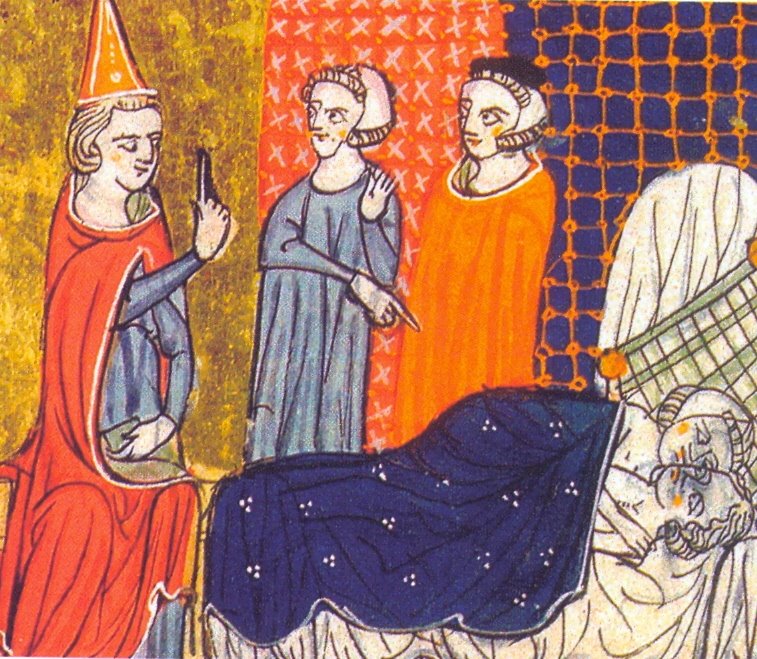
Econsummation: The Rational Choice of Bedding Rituals
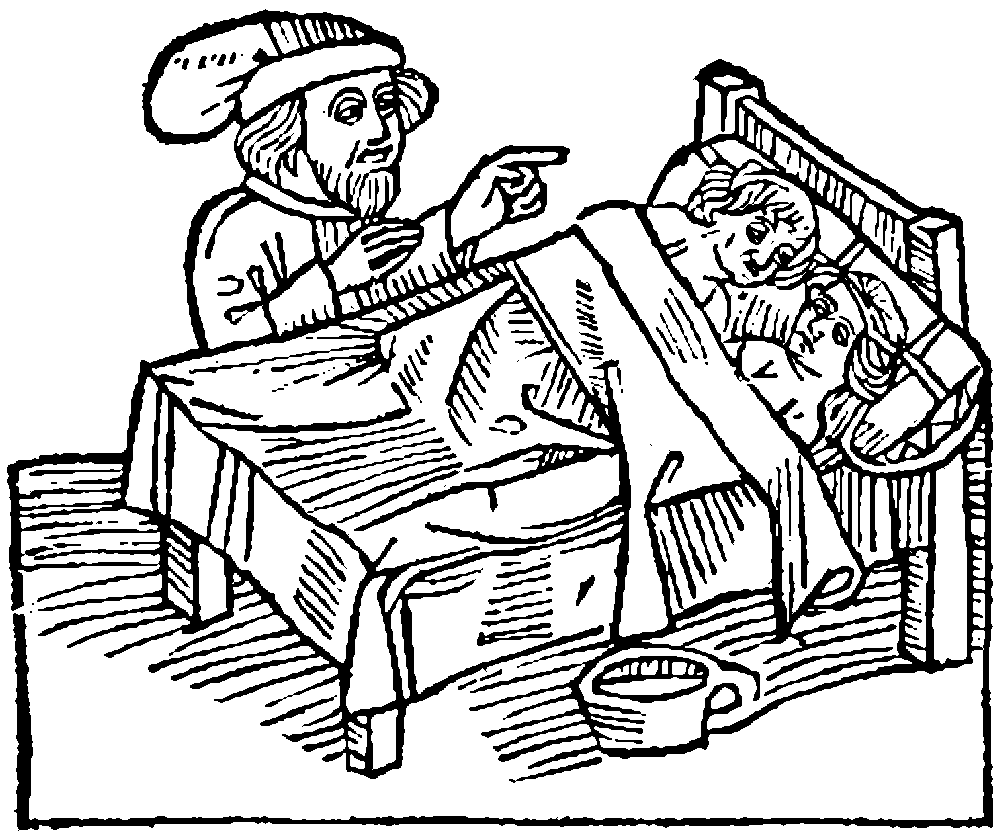
Why did wedding guests once put the bride and groom to bed in front of everyone? Because marriage was a contract — and contracts need witnesses. A rational-choice account of Europe’s bedding rituals, from royal bedchambers to peasant weddings, and what they reveal about how societies verify their most important agreements. Click any image for the full story.
Criminal Conversations
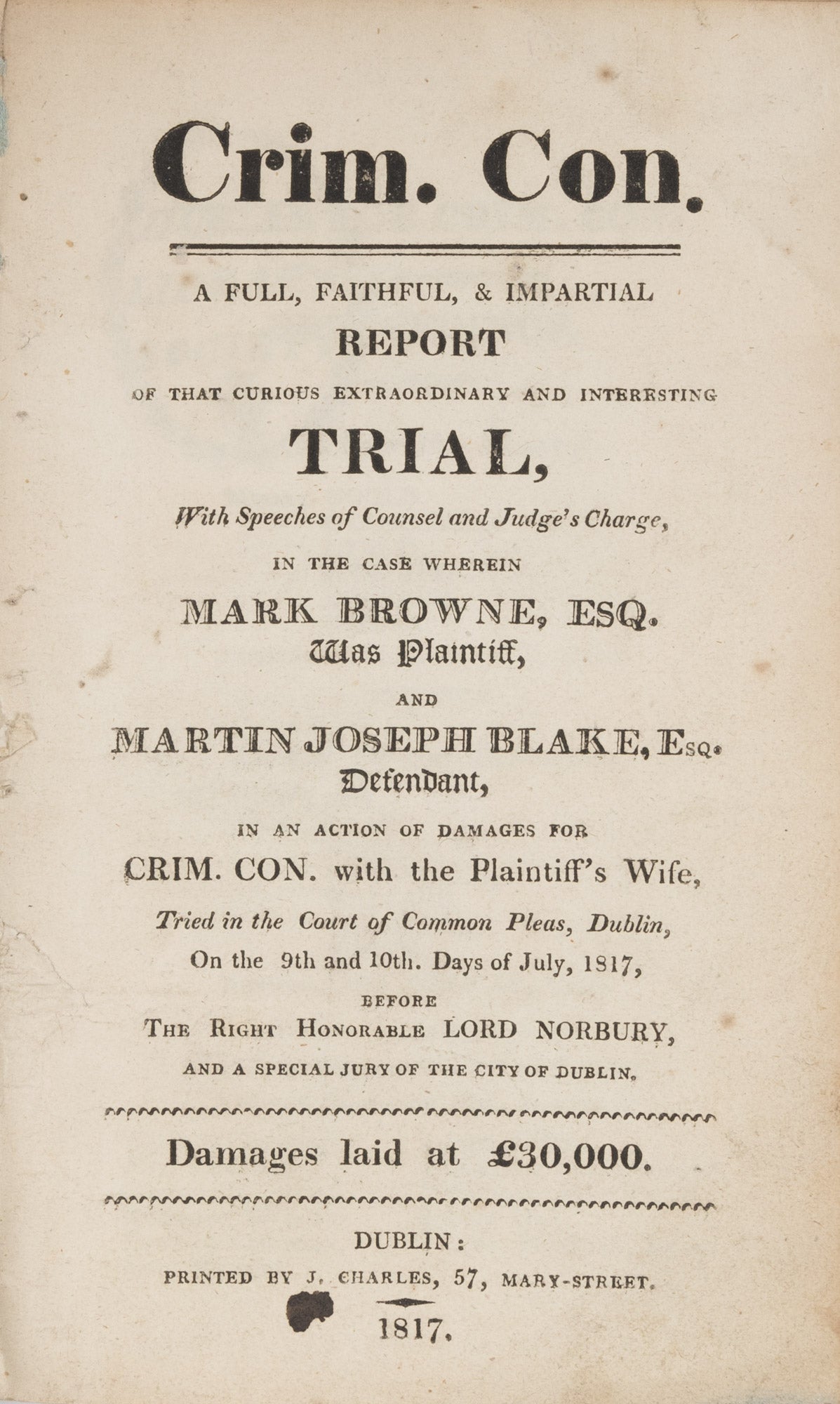
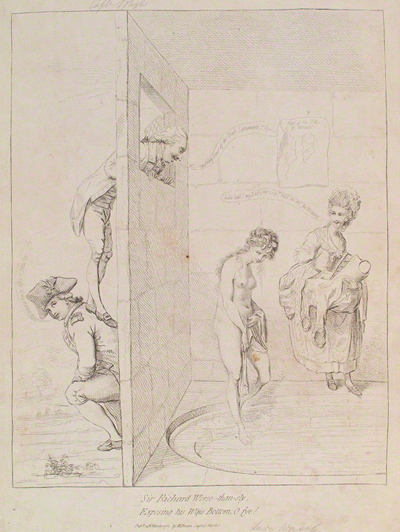
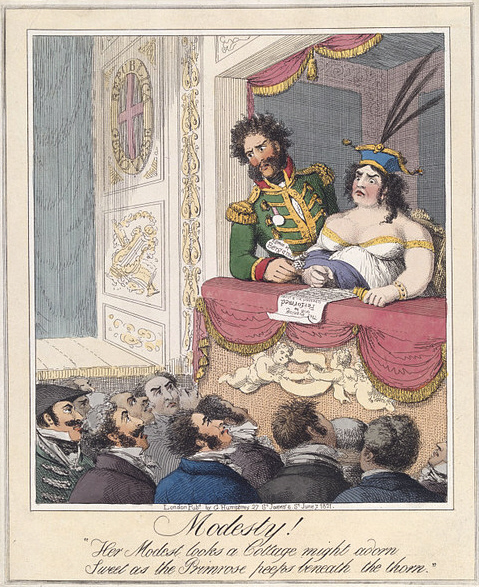
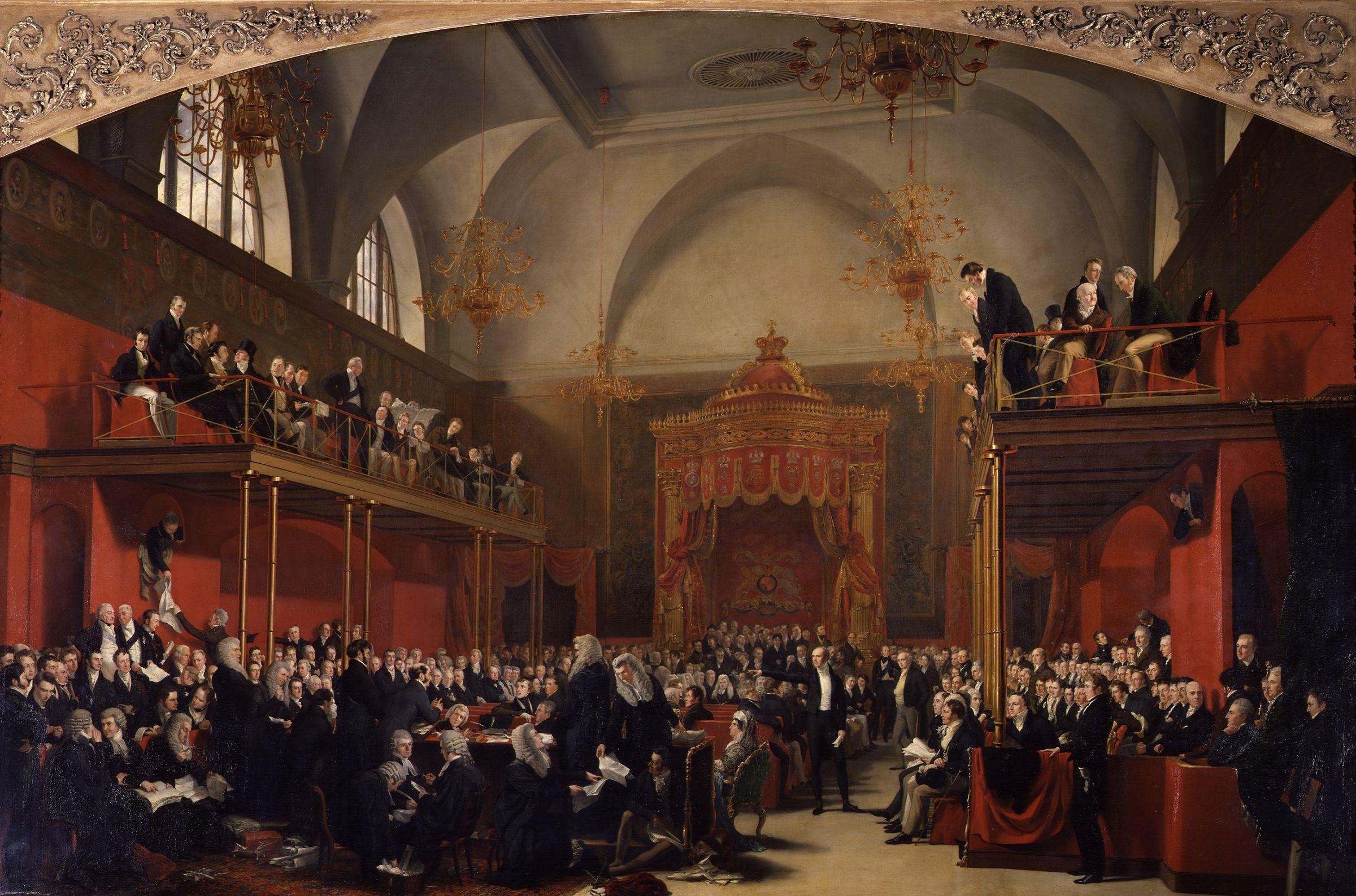
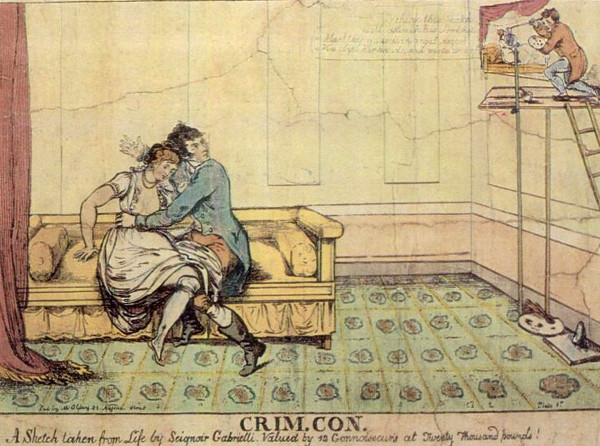
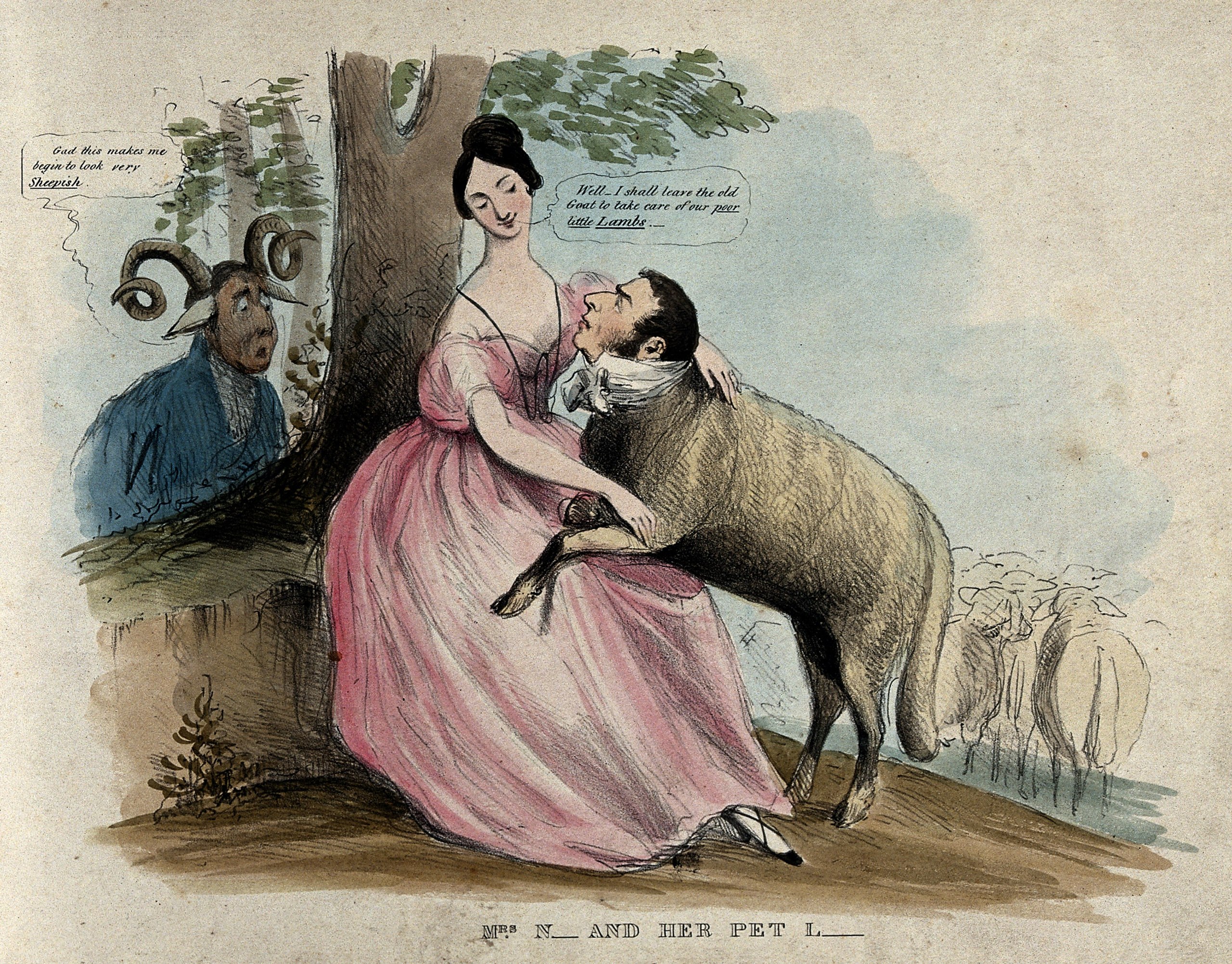
Before no-fault divorce, English courts put a price on adultery: “criminal conversation” suits let a husband sue his wife’s lover for damages. Ruinous verdicts, scandalous pamphlets, and courtroom caricature made these trials the tabloid spectacles of their age — and a revealing market in marital property rights. The prints below each carry their trial’s story.
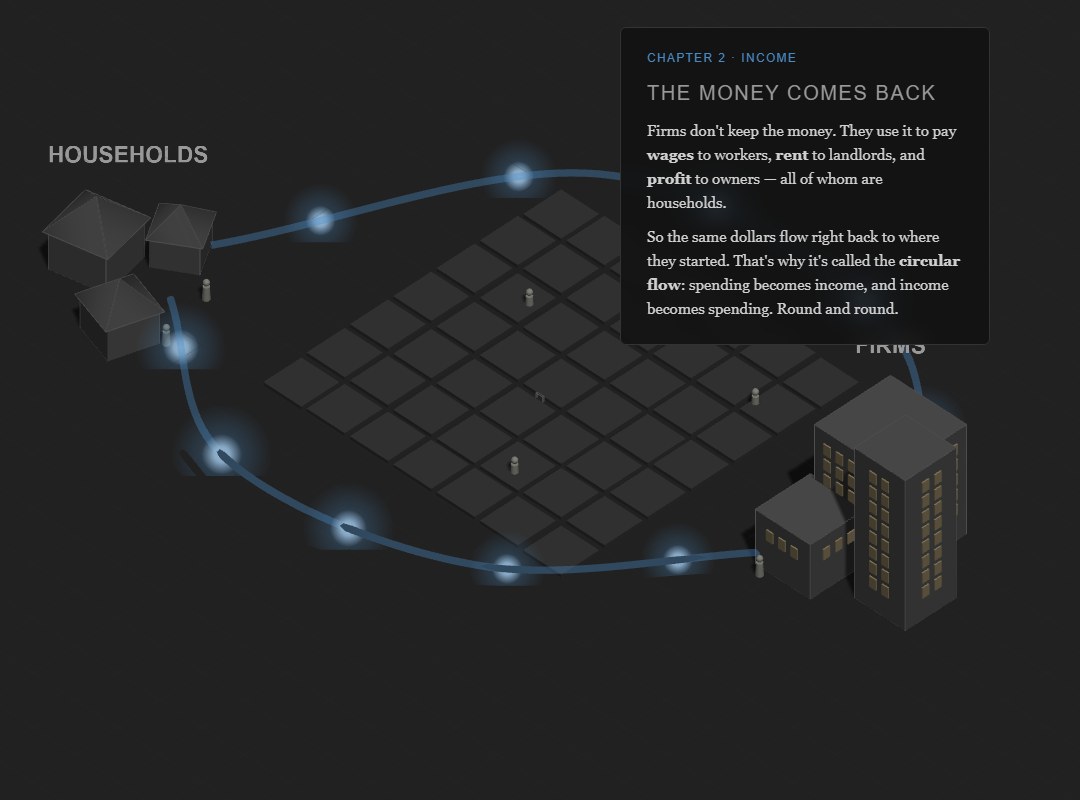
The Flow of Money
A scroll-driven 3D economy for people who have never opened an economics textbook. Follow every dollar from households to firms and back — past the government, the banks, and the rest of the world — in a living isometric world that builds itself as you read.